

5 Myths About Silk That You Need To Stop Believing
Nov 28, 2024
Leave a message
5 Myths About Silk That You Need to Stop Believing
Silk, a fabric that has always seemed like a mysterious and alluring enigma in the textile world, has unfortunately been shrouded by several misunderstandings. Let's peel back the layers and debunk five common myths that have clung to it like persistent cobwebs.
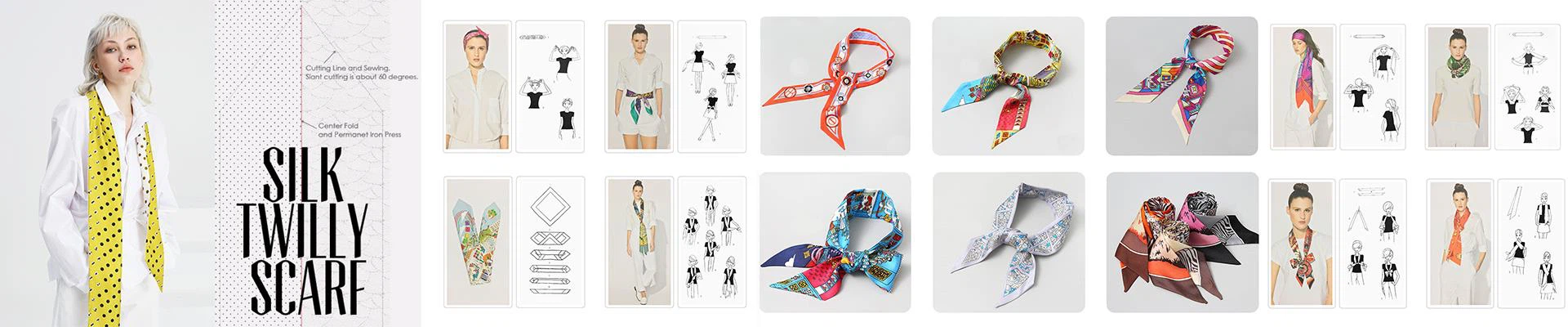
Myth 1: Silk Is Always Expensive. There's a common belief that silk always comes with a sky-high price tag, as if it were a luxury beyond reach. But actually, while top-notch silk can be as costly as a precious jewel, not every silk item will drain your wallet. The price is determined by multiple factors. The fineness of the weave, the complexity of the design, and the quality of craftsmanship all play a part. You can readily discover reasonably priced silk scarves and accessories, especially when you purchase directly from a trustworthy source. Don't assume silk is as unaffordable as a high-end luxury yacht; there are plenty of choices that are as affordable as a bargain from a street market.
Myth 2: Silk Is Delicate and Difficult to Care For. Many people think silk is as fragile as a thin piece of glass, easily broken and a hassle to look after. However, with proper care, silk is more like a tough little plant that can survive tough conditions. Avoiding strong chemicals and hot water is crucial. A gentle hand wash with a mild soap or having it professionally dry cleaned is like giving it a pampering session. Keeping it in a cool, dry place allows it to maintain its beauty for years. When cared for correctly, it's no more fragile than other nice fabrics.
Myth 3: Silk Is Unsuitable for Warm Climates. There's a prevailing yet incorrect presumption that silk is solely tailored for cold weather, as if it were a thermal insulator rather than a fabric for all seasons. In actuality, silk emerges as a champion in balmier times. It breathes with the same ease as an open window on a spring day, modulating body temperature and bestowing a cooling sensation akin to a gentle zephyr. Unlike synthetic materials that can feel as constricting as a tight corset, silk permits air to meander freely and draws moisture from the skin in a manner reminiscent of a porous clay pot. Be it a necktie, a camisole, or a flowing skirt, silk proves to be an outstanding selection for summertime ease. It's a lithe and adaptable textile that can acclimate to diverse climates as nimbly as a seasoned traveler.
Myth 4: Silk Is Reserved for Grand Events. Frequently, individuals erroneously regard silk as a fabric reserved exclusively for momentous galas, as if it were a precious heirloom to be locked away except for special soirees. However, silk is a paragon of versatility and can seamlessly integrate into one's day-to-day apparel. A unassuming silk handkerchief can elevate a laid-back ensemble much like a touch of moonlight brightens a darkened path, and a silk shirt can infuse an element of refinement into workday garb in a fashion similar to a sprinkle of stardust. It's not circumscribed to weddings or black-tie affairs; it can be donned for a casual coffee meet-up, a business rendezvous, or a night of revelry. When accessorized and styled with panache, it imparts an air of sophistication to any outfit, at any given moment.
Myth 5: Silk Lacks Sustainability and Ethical Standing. With the growing awareness of sustainable fashion, some think silk is an unethical and not eco-friendly choice, as if it were a polluting factory. True, some traditional production methods were controversial, but the industry has evolved. Many now use Ahimsa silk, which allows silkworms to complete their natural life cycle before harvesting, like giving them a full and natural journey. Also, silk is biodegradable, more so than many synthetics. When cared for, it lasts long, reducing the need for replacements and promoting a sustainable fashion cycle like a well-oiled, green machine.
In Conclusion, silk is a remarkable fabric. Once you understand it better, you'll see it's more accessible and user-friendly than these myths suggest. It's not always expensive, is durable and easy to care for, suitable for all-year wear, and an ethical and sustainable choice. The next time you hear one of these myths, you'll be able to correct it and fully appreciate silk's many benefits.