


Silk Vs. Polyester: How To Easily Tell The Difference Between Real And Fake
Mar 25, 2025
Leave a message
Silk and polyester fabrics are two common textiles that can look and feel very similar, which makes distinguishing between them challenging. However, with a few tricks of the trade, it is easy to distinguish between the two fabrics. This article will detail how to distinguish between silk and polyester.
1. Flame Test Method
This is the most reliable way to differentiate between silk and polyester. Take a small piece of fabric to be tested and light it with a lighter.
|
Type of fabric |
Burning characteristics |
Odor after burning |
Ash |
|
Silk (Mulberry) |
Slow burning, curled edges, not flammable |
Odor of burnt feathers |
Fine ashes, easily crushed |
|
Polyester |
Melts quickly, drips, burns slowly |
Plastic burnt odor |
Hard globules |
Silk burns with the odor of burnt feathers, while polyester produces the pungent odor of burnt plastic. Silk burns to a fine, brittle ash, while polyester leaves a hard ball. Always handle with care and ensure that the burn test is conducted in a safe environment.
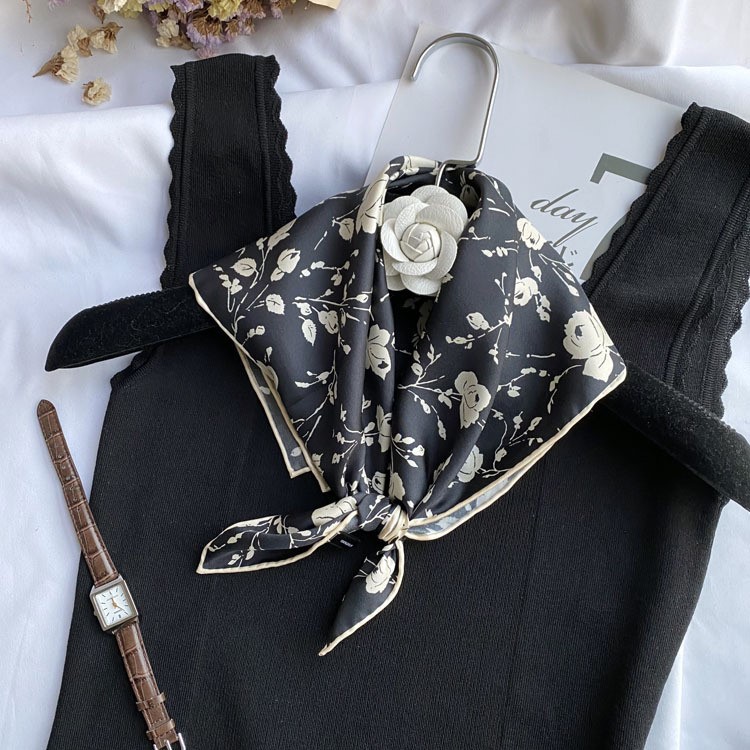
2. Hand feel test method
Silk and polyester also differ in feel.
Silk has a silky soft, delicate and smooth feel with excellent drape. When silk fabrics are close to the skin, they have a cool, comfortable feeling. Polyester is relatively rough, although some polyester fabrics after special treatment feel softer, but a careful touch can still feel the difference with silk. The smoothness of silk is much higher than polyester, and even high-grade polyester is difficult to imitate. You can try to gently rub the fabric in your hand to feel its smoothness and smoothness.
3. Gloss test method
Silk has a unique luster, this luster is soft, natural, rich sense of hierarchy. Observed under the light, the luster of silk will show a warm, introverted beauty. Polyester luster is relatively harsh and raw, lacking the natural luster of silk. You can observe the fabrics under sunlight or light to compare their luster and texture.
4. Price and brand
Silk fabrics are usually much more expensive than polyester fabrics. This is due to the fact that silk is more complicated and costly to produce. If you are buying a "silk" product at an extremely low price, it is probably not real silk. You can increase your chances of purchasing genuine silk by choosing a reputable brand, such as PandaSilk, which is known for its high-quality mulberry silk products, which are also relatively expensive, but guarantee the quality and purity of the silk.
5. Microscopic observation method
Although this method is difficult to do at home, if you have access to a microscope, you can observe the shape of the fibers. Silk fibers are long and thin, with a smooth surface and natural fine folds, while polyester fibers have a variety of cross-sectional shapes and are rougher.
6. Other Test Methods
Some other test methods, such as water absorption test, silk is more absorbent than polyester; and wrinkle resistance test, silk is easy to produce wrinkles, while polyester is relatively not easy to wrinkle, but these methods are not as accurate and reliable as combustion test and feel test.
In short, the distinction between silk and polyester requires comprehensive consideration of a number of factors. The burn test is the most reliable method, while the feel test and the luster test can provide a secondary judgment. When purchasing silk products, you are advised to choose reputable brands and carefully observe the characteristics of the fabrics to avoid buying counterfeit products. By learning the above methods, you will be able to easily distinguish between silk and polyester and choose a high quality fabric that suits your needs.